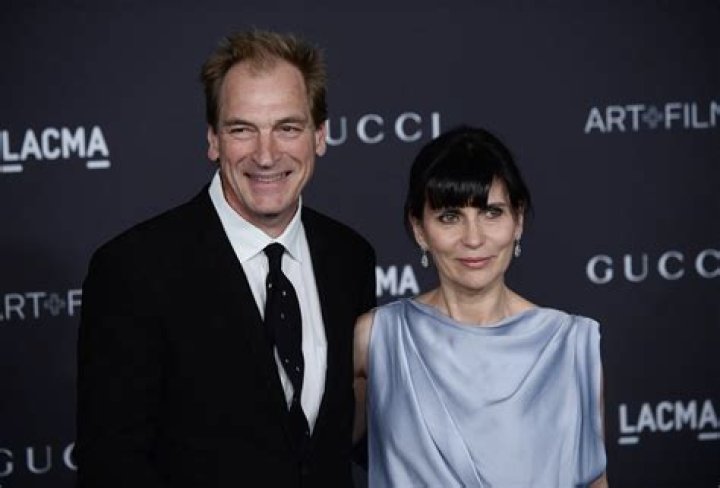
A Cinematic Visionary's Uncharted Depths

Emily Wilson
Updated on February 26, 2026
Henry Aronofsky is an American filmmaker known for his distinctive style and exploration of dark, psychological themes. He is best known for directing films such as "Requiem for a Dream" (2000), "The Wrestler" (2008), and "Black Swan" (2010).
Aronofsky's films often delve into the depths of human suffering, addiction, and obsession. His work has received critical acclaim for its raw emotional intensity and unflinching portrayal of the human condition. Aronofsky has won numerous awards for his work, including an Academy Award for Best Director for "Black Swan."
Aronofsky's filmography is characterized by a unique visual style that often incorporates dreamlike sequences, flashbacks, and unconventional editing techniques. His films have been praised for their bold storytelling, complex characters, and exploration of universal human themes. Aronofsky is widely regarded as one of the most talented and innovative filmmakers of his generation.
Henry Aronofsky
Henry Aronofsky is an American filmmaker known for his distinctive style and exploration of dark, psychological themes. Here are 8 key aspects that highlight his work and impact:
- Bold Storytelling
- Complex Characters
- Unflinching Portrayal
- Dreamlike Sequences
- Unconventional Editing
- Exploration of Addiction
- Psychological Depth
- Critical Acclaim
Aronofsky's films often explore the depths of human suffering, addiction, and obsession. He is not afraid to tackle difficult subjects and portray the human condition in all its raw and unflinching reality. His films are characterized by a unique visual style that often incorporates dreamlike sequences, flashbacks, and unconventional editing techniques. Aronofsky's work has received critical acclaim for its bold storytelling, complex characters, and exploration of universal human themes.
Here are some examples of Aronofsky's work that showcase these key aspects:
- Requiem for a Dream (2000): This film explores the devastating effects of drug addiction on four individuals.
- The Wrestler (2008): This film tells the story of an aging wrestler who is struggling to come to terms with his mortality.
- Black Swan (2010): This film is a psychological thriller about a ballerina who becomes obsessed with achieving perfection.
Aronofsky is a highly acclaimed filmmaker who has made significant contributions to the world of cinema. His films are known for their bold storytelling, complex characters, and unflinching portrayal of the human condition.
Bold Storytelling in Henry Aronofsky's Films
Henry Aronofsky is known for his bold storytelling, which often explores dark and disturbing subject matter. His films are not for the faint of heart, but they are always thought-provoking and challenging.
- Unflinching Realism
Aronofsky's films are often unflinchingly realistic, depicting the harsh realities of life without sugarcoating. His films often deal with difficult topics such as addiction, mental illness, and poverty. - Complex Characters
Aronofsky's films feature complex and flawed characters. His characters are often struggling with inner demons and making bad choices, but they are always relatable and human. - Visceral Cinematography
Aronofsky's films are known for their visceral cinematography. His camerawork is often shaky and handheld, which creates a sense of immediacy and realism. He also uses extreme close-ups and slow motion to heighten the emotional impact of his films. - Non-Linear Narratives
Aronofsky's films often use non-linear narratives, which can be confusing but also effective in creating a sense of suspense and dread. He often uses flashbacks and flashforwards to tell his stories, which can help to reveal the characters' inner lives and motivations.
Aronofsky's bold storytelling has earned him both praise and criticism. Some critics have accused him of being too graphic and disturbing, but his fans appreciate his willingness to tackle difficult subjects and his ability to create films that are both entertaining and thought-provoking.
Complex Characters in Henry Aronofsky's Films
Henry Aronofsky's films are renowned for their complex and flawed characters. His characters are often struggling with inner demons and making bad choices, but they are always relatable and human. Aronofsky's ability to create such complex characters is one of the things that sets his films apart from others.
- Psychological Depth
Aronofsky's characters are often psychologically complex, with deep-seated motivations and desires. He is able to create characters that are both sympathetic and flawed, and he is not afraid to explore the dark side of human nature. - Moral Ambiguity
Aronofsky's characters are often morally ambiguous. They are not simply good or evil, but rather complex individuals who are capable of both good and bad deeds. This moral ambiguity makes his characters more relatable and realistic. - Emotional Realism
Aronofsky's characters are emotionally realistic. They experience the full range of human emotions, from love and joy to anger and despair. Aronofsky is able to capture the nuances of human emotion in a way that is both believable and moving. - Character Development
Aronofsky's characters often undergo significant development over the course of his films. They learn from their mistakes, grow as individuals, and come to a deeper understanding of themselves. Aronofsky is able to create characters that are both relatable and inspiring.
Aronofsky's complex characters are one of the reasons why his films are so memorable and impactful. He is able to create characters that are both deeply human and psychologically complex. His characters stay with the viewer long after the film is over.
Unflinching Portrayal in Henry Aronofsky's Films
Henry Aronofsky is known for his unflinching portrayal of the human condition. His films often explore dark and disturbing subject matter, and he is not afraid to show the ugly side of life. This unflinching portrayal is one of the things that sets Aronofsky's films apart from others, and it is one of the reasons why his films are so powerful and memorable.
- Realism
Aronofsky's films are often praised for their realism. He does not shy away from difficult or controversial subjects, and he is willing to show the harsh realities of life. His films often deal with issues such as addiction, mental illness, and poverty. - Emotional Honesty
Aronofsky's films are also known for their emotional honesty. He is not afraid to explore the full range of human emotions, from love and joy to anger and despair. His films often feature characters who are struggling with difficult challenges, and he is able to capture the nuances of their emotions in a way that is both believable and moving. - Social Commentary
Aronofsky's films often contain social commentary. He is not afraid to use his films to criticize society and to raise awareness of important issues. His films often explore issues such as inequality, poverty, and the dangers of addiction. - Psychological Insight
Aronofsky's films often offer deep psychological insights into the human condition. He is able to create characters that are both relatable and complex, and he is not afraid to explore the dark side of human nature. His films often deal with issues such as mental illness, addiction, and the search for meaning in life.
Aronofsky's unflinching portrayal of the human condition is one of the things that makes his films so powerful and memorable. He is not afraid to tackle difficult subjects and to show the ugly side of life. His films are honest, emotionally resonant, and thought-provoking. They offer a unique and valuable perspective on the human condition.
Dreamlike Sequences in Henry Aronofsky's Films
Dreamlike sequences are a recurring element in Henry Aronofsky's films. These sequences often serve to explore the characters' inner lives, their fears and desires, and their struggles with reality. Aronofsky uses dreamlike sequences to create a sense of unease and disorientation, and to blur the lines between reality and fantasy.
One of the most striking examples of a dreamlike sequence in Aronofsky's work is the opening scene of "Requiem for a Dream" (2000). In this scene, the four main characters are shown floating in a void-like space, surrounded by swirling colors and strange, dreamlike imagery...
...Aronofsky's use of dreamlike sequences is not limited to "Requiem for a Dream." In "The Wrestler" (2008), the protagonist Randy "The Ram" Robinson often experiences dreamlike flashbacks to his glory days as a wrestler. These sequences are often tinged with sadness and regret, as Randy struggles to come to terms with his fading career.
Dreamlike sequences are a powerful tool that Aronofsky uses to explore the inner lives of his characters and to create a sense of unease and disorientation. These sequences are a hallmark of Aronofsky's work, and they contribute to the unique and memorable experience of his films.
Unconventional Editing in Henry Aronofsky's Films
Henry Aronofsky is known for his unconventional editing techniques, which contribute to the unique and memorable experience of his films. Aronofsky uses editing to create a sense of unease and disorientation, to explore the characters' inner lives, and to challenge the traditional narrative structure.
- Rapid Cuts and Montage Sequences
Aronofsky often uses rapid cuts and montage sequences to create a sense of urgency and chaos. This technique is particularly effective in scenes of violence or high emotion. - Non-Linear Narratives
Aronofsky's films often use non-linear narratives, which can be confusing but also effective in creating a sense of suspense and dread. He often uses flashbacks and flashforwards to tell his stories, which can help to reveal the characters' inner lives and motivations. - Subliminal Imagery and Symbolism
Aronofsky frequently uses subliminal imagery and symbolism in his films. This can be seen in the use of recurring motifs, such as the color red or the image of a bird. Aronofsky uses these techniques to create a sense of unease and to hint at the characters' inner struggles. - Dreamlike Sequences
Dreamlike sequences are a recurring element in Aronofsky's films. These sequences often serve to explore the characters' inner lives, their fears and desires, and their struggles with reality. Aronofsky uses dreamlike sequences to create a sense of unease and disorientation, and to blur the lines between reality and fantasy.
Aronofsky's unconventional editing techniques are a hallmark of his work, and they contribute to the unique and memorable experience of his films. Aronofsky is a master of his craft, and he uses editing to create powerful and thought-provoking cinema.
Exploration of Addiction in the Films of Henry Aronofsky
Henry Aronofsky is an American filmmaker known for his unflinching exploration of dark and disturbing subject matter. One of the recurring themes in his work is addiction, which he has explored in films such as "Requiem for a Dream" (2000), "The Wrestler" (2008), and "mother!" (2017).
Aronofsky's films offer a realistic and unflinching look at the devastating effects of addiction. In "Requiem for a Dream," he follows four individuals as they succumb to the horrors of drug addiction. The film is a powerful and cautionary tale about the dangers of addiction, and it shows how addiction can destroy lives.
In "The Wrestler," Aronofsky tells the story of an aging wrestler who is struggling with addiction to painkillers. The film is a moving and sympathetic portrait of a man who is trying to overcome his addiction and rebuild his life. Aronofsky's film shows the challenges of addiction, but it also shows that recovery is possible.
Aronofsky's exploration of addiction is not limited to his films. He has also spoken out about the importance of addiction awareness and prevention. In 2010, he partnered with the National Institute on Drug Abuse to create a public service announcement about the dangers of prescription drug abuse.
Aronofsky's work on addiction has helped to raise awareness of this important issue. His films have shown the devastating effects of addiction, but they have also shown that recovery is possible. Aronofsky's work is a valuable contribution to the fight against addiction.
Psychological Depth in Henry Aronofsky's Films
Henry Aronofsky is an American filmmaker known for his unflinching exploration of dark and disturbing subject matter. One of the hallmarks of his work is his deep psychological insight into his characters. Aronofsky's films are filled with complex and flawed characters who are struggling with inner demons and moral dilemmas.
- Emotional Realism
Aronofsky's characters are emotionally realistic and relatable. He is able to capture the full range of human emotions, from love and joy to anger and despair. His characters are often struggling with difficult challenges, and Aronofsky is able to capture the nuances of their emotions in a way that is both believable and moving.
- Moral Ambiguity
Aronofsky's characters are often morally ambiguous. They are not simply good or evil, but rather complex individuals who are capable of both good and bad deeds. This moral ambiguity makes his characters more relatable and realistic, and it allows the audience to explore the complexities of human nature.
- Subconscious Motives
Aronofsky's films often explore the subconscious motives of his characters. He is interested in the hidden desires and fears that drive people's behavior. Aronofsky's films often feature dream sequences and flashbacks that reveal the inner workings of his characters' minds.
- Psychological Trauma
Many of Aronofsky's characters have experienced psychological trauma. This trauma can manifest itself in a variety of ways, such as addiction, violence, and self-destructive behavior. Aronofsky's films explore the long-term effects of trauma and the challenges of recovery.
Aronofsky's deep psychological insight into his characters is one of the things that sets his films apart from others. He is able to create characters that are both relatable and complex, and he is not afraid to explore the dark side of human nature. Aronofsky's films offer a unique and valuable perspective on the human condition.
Critical Acclaim and Henry Aronofsky
Henry Aronofsky is an American filmmaker who has received critical acclaim for his work. His films have been praised for their psychological depth, realism, and bold storytelling. Aronofsky has won numerous awards for his films, including an Academy Award for Best Director for "Black Swan" (2010).
Critical acclaim has played a significant role in Aronofsky's career. It has helped to raise his profile and attract funding for his films. Critical acclaim has also helped to build Aronofsky's reputation as a talented and visionary filmmaker. As a result, Aronofsky has been able to make more ambitious and personal films.
The critical acclaim that Aronofsky has received is well-deserved. His films are well-made and thought-provoking. They offer a unique and valuable perspective on the human condition. Aronofsky is a master of his craft, and his films are a must-see for any fan of cinema.
Requiem for a Dream (2000)
Requiem for a Dream is a powerful and unflinching look at the destructive effects of drug addiction. The film follows four individuals as they succumb to the horrors of addiction, and it shows how addiction can destroy lives.
- Psychological Effects
Addiction can have a devastating impact on a person's mental health. It can cause anxiety, depression, paranoia, and psychosis. In Requiem for a Dream, we see how addiction can lead to complete mental breakdown.
- Physical Effects
Addiction can also have a serious impact on a person's physical health. It can damage the heart, liver, kidneys, and lungs. In Requiem for a Dream, we see how addiction can lead to physical decay and death.
- Social Effects
Addiction can also damage a person's social relationships. It can lead to job loss, homelessness, and estrangement from family and friends. In Requiem for a Dream, we see how addiction can destroy families and communities.
- Financial Effects
Addiction can also be a financial burden. It can lead to debt, poverty, and even crime. In Requiem for a Dream, we see how addiction can lead to financial ruin.
Requiem for a Dream is a powerful reminder of the dangers of drug addiction. It is a film that is both heartbreaking and hopeful, and it is a must-see for anyone who wants to understand the devastating effects of addiction.
The Wrestler (2008)
In Darren Aronofsky's 2008 film The Wrestler, Mickey Rourke plays Randy "The Ram" Robinson, an aging professional wrestler who is struggling to come to terms with his mortality. The film explores themes of identity, loss, and the search for meaning in life.
- Identity
Throughout the film, Randy struggles with his identity outside of the wrestling ring. He is no longer the celebrated athlete he once was, and he is trying to find a new place in life. He tries to reconnect with his estranged daughter, but their relationship is strained. He also tries to find a new career, but he is not successful. Randy's search for identity is a major theme of the film, and it is something that many people can relate to. - Loss
Randy is also dealing with the loss of his career, his health, and his relationships. He is losing the things that have given his life meaning, and he is struggling to cope with this loss. The film shows the devastating effects of loss, and it is a reminder that we all experience loss at some point in our lives. - The Search for Meaning in Life
Randy's journey is ultimately a search for meaning in life. He is trying to find something that will give his life purpose and direction. He tries to find meaning in his relationships, his career, and his faith. The film does not offer any easy answers, but it does show that the search for meaning is a lifelong journey.
The Wrestler is a powerful and moving film that explores the complex themes of identity, loss, and the search for meaning in life. Aronofsky's film is a reminder that we all struggle with these issues at some point in our lives, and it is a film that will stay with you long after you have seen it.
Black Swan (2010)
Darren Aronofsky's 2010 film Black Swan is a psychological thriller about a ballerina named Nina Sayers (Natalie Portman) who becomes obsessed with achieving perfection. The film explores themes of obsession, madness, and the dark side of the ballet world.
- Obsession
Nina is consumed by her obsession with achieving perfection in her ballet dancing. She pushes herself to the limit both physically and mentally, and she is willing to sacrifice everything to achieve her goals. Her obsession ultimately leads to her downfall.
- Madness
Nina's obsession with perfection drives her to the brink of madness. She begins to hallucinate and lose touch with reality. She also becomes increasingly paranoid and suspicious of those around her. Her madness ultimately leads to her self-destruction.
- The Dark Side of the Ballet World
Black Swan also explores the dark side of the ballet world. The film shows the intense competition and pressure that dancers face, and it reveals the sacrifices that they must make in order to succeed. The film also shows the physical and emotional toll that ballet can take on dancers.
Black Swan is a powerful and disturbing film that explores the dark side of obsession and perfectionism. Aronofsky's film is a cautionary tale about the dangers of pushing oneself too hard, and it is a reminder that perfection is often an unattainable goal.
FAQs about Henry Aronofsky
Below are some frequently asked questions regarding Henry Aronofsky, an acclaimed American filmmaker known for his dark and thought-provoking films.
Question 1: What is Henry Aronofsky's style of filmmaking?
Known for his bold storytelling and unflinching exploration of dark and often disturbing themes, Aronofsky's films are characterized by a unique visual style that often incorporates dreamlike sequences, unconventional editing techniques, and raw emotional intensity.
Question 2: What are some of Aronofsky's most famous films?
Some of Aronofsky's most recognized and critically acclaimed films include "Requiem for a Dream," "The Wrestler," "Black Swan," and "mother!"
Question 3: What is Aronofsky's approach to character development?
Aronofsky's films often feature complex and deeply flawed characters who grapple with inner demons, moral dilemmas, and psychological struggles. He delves into the psyche of his characters, exploring their motivations, fears, and vulnerabilities with great depth and realism.
Question 4: What is the role of symbolism and dreamlike elements in Aronofsky's films?
Aronofsky frequently employs symbolism, dreamlike sequences, and surreal imagery to create a sense of unease, mystery, and psychological depth in his films. These elements often serve as metaphors or visual representations of the characters' inner struggles, subconscious desires, and hidden fears.
Question 5: Has Aronofsky received critical recognition for his work?
Yes, Aronofsky has received numerous awards and accolades throughout his career, including an Academy Award for Best Director for "Black Swan" in 2011. His films have gained widespread critical and commercial success, solidifying his position as a prominent figure in contemporary cinema.
Question 6: What is Aronofsky's next project?
Information about Henry Aronofsky's upcoming projects or future endeavors may not be readily available. To stay updated on his latest work, it is recommended to follow official sources and reputable entertainment news outlets.
In summary, Henry Aronofsky is a highly acclaimed and influential filmmaker recognized for his bold and thought-provoking cinematic style. Through his films, he delves into the depths of the human condition, exploring complex characters, dark themes, and psychological struggles with raw emotional intensity and visual mastery.
For further exploration of Henry Aronofsky's work and impact on cinema, refer to the main article.
Tips from Henry Aronofsky on Filmmaking
Acclaimed filmmaker Henry Aronofsky, known for his bold and thought-provoking films, offers valuable insights and advice for aspiring filmmakers and film enthusiasts alike.
Tip 1: Embrace Bold Storytelling
Do not shy away from exploring complex and challenging themes in your films. Take risks, push boundaries, and strive to create stories that resonate deeply with audiences.
Tip 2: Develop Compelling Characters
Craft characters that are flawed, relatable, and driven by strong motivations. Delve into their psychological complexities and inner struggles to create a profound emotional connection with viewers.
Tip 3: Utilize Visual Storytelling
Harness the power of visual elements, such as lighting, camera angles, and editing techniques, to convey emotions, create atmosphere, and enhance the narrative.
Tip 4: Explore Dreamlike and Subconscious Elements
Incorporate dreamlike sequences, symbolism, and surreal imagery to evoke a sense of unease, mystery, and psychological depth in your films.
Tip 5: Seek Inspiration from Real Life
Draw inspiration from real-life experiences, observations, and social issues. Ground your stories in authenticity to create films that resonate with universal human themes.
By embracing these principles, filmmakers can create powerful and thought-provoking cinematic experiences that challenge conventions, engage audiences, and leave a lasting impact.
Delve deeper into Henry Aronofsky's unique filmmaking approach and explore his influential body of work in the comprehensive article provided.
Conclusion
Henry Aronofsky's groundbreaking filmmaking approach has redefined the boundaries of cinematic storytelling. Through his exploration of dark and complex themes, his distinctive visual style, and his commitment to character-driven narratives, Aronofsky has established himself as a visionary director.
His films delve into the depths of the human condition, challenging audiences to confront their own fears, desires, and vulnerabilities. By pushing the boundaries of filmmaking, Aronofsky invites us to question our assumptions and to engage with the world in new and thought-provoking ways.