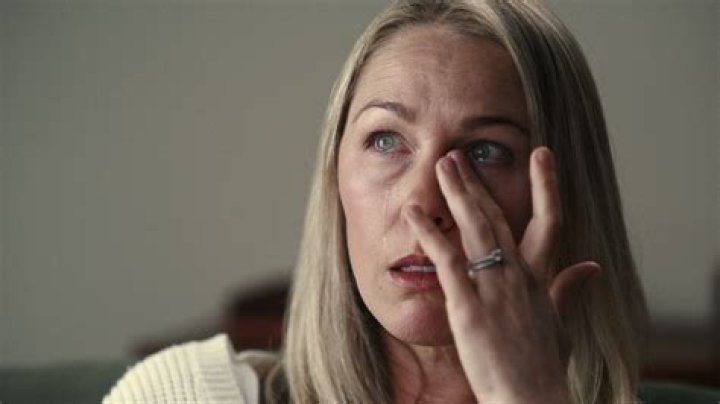
Why Did Melanie Griffith Change Her Face?

Emma Jordan
Updated on March 04, 2026
"Why did Melanie change her face?" is a question often asked about celebrities (noun) who appear to have undergone cosmetic changes. Melanie Griffith, for example, has been subject to speculation about facial surgery for years.
The ongoing fascination with celebrity transformations highlights the importance of "why did melanie change her face"-type inquiries. They reflect our societal preoccupation with appearance, beauty standards, and the pursuit of youthful looks. Historically, plastic surgery (noun) has enabled individuals to address physical flaws, enhance their appearance, and potentially boost their confidence.
This article delves into the motivations behind Melanie's alleged facial transformations. We will explore the surgical procedures commonly associated with these changes, the potential risks involved, and the impact on her career and personal life.
Why Did Melanie Change Her Face?
Scrutinizing the reasons behind Melanie Griffith's alleged facial transformations involves examining key aspects related to celebrity culture, beauty standards, and the pursuit of a youthful appearance.
- Surgical Procedures
- Motivation
- Impact on Career
- Public Perception
- Personal Journey
- Cultural Influences
- Media Portrayal
- Ethical Considerations
Delving into these aspects, we explore the complex interplay between personal choices, societal pressures, and the relentless pursuit of an idealized beauty standard. Through examples, connections, and analysis, we aim to shed light on the motivations and consequences behind Melanie's alleged facial transformations.
| Name | Melanie Griffith |
|---|---|
| Birthdate | August 9, 1957 |
| Birthplace | New York City, New York, U.S. |
| Occupation | Actress |
| Known for | Working Girl (1988), Something Wild (1986), Body Double (1984) |
Surgical Procedures
Surgical procedures play a significant role in understanding "why did Melanie change her face." They represent the medical interventions that have physically altered her appearance. Common procedures associated with facial transformations include facelifts, eyelid surgery, rhinoplasty, and lip injections. These procedures aim to address concerns such as wrinkles, sagging skin, and facial asymmetry.
Whether surgical procedures are a critical component of "why did Melanie change her face" depends on individual perspectives. Some may argue that the decision to undergo surgery is a deeply personal one, driven by factors such as self-perception, societal pressures, or medical necessity. Others may contend that the prevalence of surgical procedures within celebrity culture perpetuates unrealistic beauty standards and reinforces the commodification of the female body.
Real-life examples illustrate the complex relationship between surgical procedures and "why did Melanie change her face." Melanie Griffith herself has been the subject of numerous speculations about facial surgery, with some experts suggesting she has undergone procedures such as a facelift and eyelid surgery. However, it is important to note that these remain unconfirmed speculations, as Griffith has not publicly acknowledged any surgical interventions.
Understanding the connection between surgical procedures and "why did Melanie change her face" has practical applications. It encourages critical engagement with the cultural narratives surrounding beauty, aging, and the pursuit of an idealized appearance. By examining the role of surgical procedures, we can question societal pressures and empower individuals to make informed decisions about their bodies and self-image.
Motivation
Motivation plays a crucial role in understanding "why did Melanie change her face." It encompasses the underlying reasons, desires, and aspirations that drive an individual to seek facial transformations. Motivation can stem from personal insecurities, societal pressures, or a combination of both.
Whether motivation is a critical component of "why did Melanie change her face" depends on the specific context and individual circumstances. Some may argue that motivation is the primary driving force behind facial transformations, shaping an individual's decision to undergo surgical procedures or adopt other methods of altering their appearance. Others may contend that motivation is just one of many factors that contribute to "why did Melanie change her face," alongside cultural influences, media portrayals, and personal experiences.
Real-life examples illustrate the complex relationship between motivation and "why did Melanie change her face." In Melanie Griffith's case, speculations about her motivations for alleged facial transformations have ranged from a desire to maintain a youthful appearance in a competitive industry to addressing personal insecurities about her looks. However, it is important to note that these remain speculations, as Griffith has not publicly disclosed her motivations.
Understanding the connection between motivation and "why did Melanie change her face" has practical applications. It enables us to critically examine the factors that influence individuals' decisions to alter their appearance. By recognizing the role of motivation, we can empower individuals to make informed choices about their bodies and self-image, and challenge societal pressures that perpetuate unrealistic beauty standards.
Impact on Career
The connection between "Impact on Career" and "why did Melanie change her face" is multifaceted and significant. It delves into the interplay between an individual's appearance, professional aspirations, and the perceptions and expectations within their industry.
Whether "Impact on Career" is a critical component of "why did Melanie change her face" depends on the specific context and individual circumstances. For some, the pursuit of facial transformations may be driven by a desire to maintain a youthful and competitive edge in a visually demanding industry. Others may seek to address perceived flaws or imperfections that could hinder their career prospects.
Real-life examples illustrate the complex relationship between "Impact on Career" and "why did Melanie change her face." In Melanie Griffith's case, speculations about her alleged facial transformations have been intertwined with her career trajectory in Hollywood. Some have suggested that her decision to undergo surgical procedures was influenced by the pressure to conform to industry beauty standards and remain competitive in an age-conscious industry.
Understanding the connection between "Impact on Career" and "why did Melanie change her face" has practical applications. It enables us to critically examine the role of appearance in professional settings and challenge industry norms that perpetuate unrealistic beauty standards. By recognizing the impact of appearance on career, we can empower individuals to make informed choices about their bodies and self-image, and advocate for more inclusive and equitable workplaces.
Public Perception
The connection between "Public Perception" and "why did melanie change her face" delves into the influence of public opinion and societal expectations on an individual's decision to alter their appearance. Public perception encompasses the collective views, attitudes, and judgments of the public, which can shape an individual's self-perception and impact their choices.
Whether "Public Perception" is a critical component of "why did melanie change her face" depends on the specific context and individual circumstances. For some, the desire to conform to societal beauty standards and avoid public scrutiny may be a significant motivator for facial transformations. Others may seek to address perceived flaws or imperfections that they believe hinder their social acceptance or professional opportunities.
Real-life examples illustrate the complex relationship between "Public Perception" and "why did melanie change her face." In Melanie Griffith's case, speculations about her alleged facial transformations have been intertwined with public scrutiny of her appearance in the media and on social media. Some have suggested that her decision to undergo surgical procedures was influenced by a desire to maintain a youthful and glamorous image in the public eye.
Understanding the connection between "Public Perception" and "why did melanie change her face" has practical applications. It enables us to critically examine the role of societal expectations in shaping individuals' decisions about their bodies and self-image. By recognizing the impact of public perception, we can challenge unrealistic beauty standards and promote a more inclusive and compassionate society.
Personal Journey
Exploring the "Personal Journey" aspect of "why did melanie change her face" delves into the individual experiences, motivations, and self-perceptions that shape decisions about facial transformations. This introspective journey encompasses a range of factors that extend beyond external pressures and societal influences.
- Self-Acceptance
Individuals may seek facial transformations as a means of aligning their physical appearance with their evolving self-perception and sense of identity. This can involve addressing insecurities, embracing unique features, or expressing personal style.
- Self-Improvement
For some, facial transformations are part of a broader commitment to self-improvement and personal growth. They may view these changes as a way to enhance their confidence, boost their self-esteem, or overcome physical limitations.
- Emotional Healing
In certain cases, facial transformations can be a form of emotional healing. Individuals who have experienced trauma or disfigurement may seek surgical or non-surgical procedures to restore a sense of wholeness and reclaim their identity.
- Cultural Identity
Personal journey also encompasses the influence of cultural background and societal norms on perceptions of beauty and self-worth. Individuals may undergo facial transformations to conform to cultural expectations or to express their cultural heritage.
Understanding the diverse facets of "Personal Journey" deepens our comprehension of "why did melanie change her face." It highlights the complex interplay between internal and external factors, personal aspirations, and the pursuit of self-fulfillment.
Cultural Influences
Cultural influences play a significant role in shaping perceptions of beauty and self-worth, thereby impacting decisions about facial transformations. Cultural norms, beauty standards, and societal expectations can influence an individual's desire to alter their appearance.
For example, in cultures that emphasize youthfulness and physical attractiveness, individuals may feel pressure to undergo facial transformations to maintain a youthful and competitive edge. Conversely, cultures that value natural beauty and acceptance of aging may discourage or even stigmatize facial transformations.
Melanie Griffith's alleged facial transformations have been examined through the lens of cultural influences. Some have suggested that her decisions may have been influenced by the Hollywood beauty standards that prioritize a youthful and glamorous appearance. However, it is crucial to recognize that cultural influences are not the sole determinant of an individual's choices, and personal factors also play a significant role.
Understanding the connection between cultural influences and "why did melanie change her face" enables us to critically examine the role of societal expectations in shaping individuals' decisions about their bodies and self-image. It underscores the importance of promoting diverse and inclusive beauty standards that celebrate individual uniqueness and challenge narrow cultural definitions of attractiveness.
Media Portrayal
The connection between "Media Portrayal" and "why did melanie change her face" delves into the influence of media representations on an individual's perception of beauty and self-worth, potentially impacting their decisions about facial transformations. Media portrayal encompasses the way in which individuals are depicted in various forms of media, including television, magazines, and social media.
Media portrayal can shape an individual's self-perception and beauty ideals. Constant exposure to narrow and idealized beauty standards portrayed in the media can lead to internalization of these standards and a desire to conform. This can motivate individuals to seek facial transformations in an attempt to align with the perceived ideal.
Melanie Griffith's alleged facial transformations have been examined through the lens of media portrayal. Some have suggested that her decisions may have been influenced by the unrealistic beauty standards perpetuated by the entertainment industry. The media's focus on youthfulness and physical attractiveness may have contributed to her perceived need for facial alterations to maintain her status as a leading actress.
Understanding the connection between media portrayal and "why did melanie change her face" enables us to critically examine the role of the media in shaping societal perceptions of beauty. It underscores the importance of promoting diverse and inclusive media representations that challenge narrow beauty standards and encourage self-acceptance. By recognizing the impact of media portrayal, we can empower individuals to make informed choices about their bodies and self-image, and advocate for a more realistic and inclusive representation of beauty in the media.
Ethical Considerations
The connection between "Ethical Considerations" and "why did melanie change her face" centers on the moral and societal implications surrounding facial transformations. Ethical considerations encompass the principles and values that guide an individual's decisions and actions, particularly in situations where personal choices may impact others or have broader societal consequences.
Whether "Ethical Considerations" is a critical component of "why did melanie change her face" depends on the specific context and individual circumstances. Some argue that ethical considerations should play a significant role in guiding decisions about facial transformations, ensuring that these choices align with societal norms and values. Others contend that ethical considerations are subjective and personal, and individuals should be free to make choices about their bodies without external judgment.
Real-life examples illustrate the complex interplay between "Ethical Considerations" and "why did melanie change her face." Melanie Griffith's alleged facial transformations have raised questions about the ethical implications of pursuing cosmetic procedures to maintain a youthful appearance in a competitive industry. Some have argued that her choices perpetuate unrealistic beauty standards and reinforce the pressure on women to conform to narrow definitions of attractiveness.
Understanding the connection between "Ethical Considerations" and "why did melanie change her face" has practical applications. It enables us to critically examine the ethical dimensions of facial transformations and engage in informed discussions about the potential consequences of these choices. By recognizing the ethical considerations involved, we can promote responsible decision-making, challenge societal pressures, and advocate for a more inclusive and equitable society.
In exploring "why did melanie change her face," this article has delved into the multifaceted motivations, societal pressures, and personal journeys that shape decisions about facial transformations. We have examined the interplay between surgical procedures, cultural influences, media portrayal, and ethical considerations, recognizing the complexity and individuality of each person's experience.
Two main points stand out: firstly, facial transformations are influenced by a myriad of factors, both internal and external, and should not be solely attributed to a single cause. Secondly, societal pressures and beauty standards significantly impact individuals' decisions about altering their appearance, highlighting the need for critical examination and challenge of these norms.
As we continue to engage with the question of "why did melanie change her face," let us remember the importance of fostering a society that values self-acceptance, diversity, and inclusivity. True beauty lies not in conforming to narrow standards, but in embracing our unique identities and celebrating the individuality that makes us all unique.
"Blue Waffle" Disease: Unmasking A Hoax For Safer Online Health
Unveiling The "Bad Guy": A Dive Into Billie Eilish's Haunting Sample
How To Make Your Guam Trip Unforgettable: Exploring The "Happy Island"
Did Oliver Tree Date Melanie Martinez? Why Did Melanie and Oliver Break
73 of the Most Inspiring Melanie Martinez Quotes
THE RADICAL CHANGE OF MELANIE MARTINEZ YouTube